


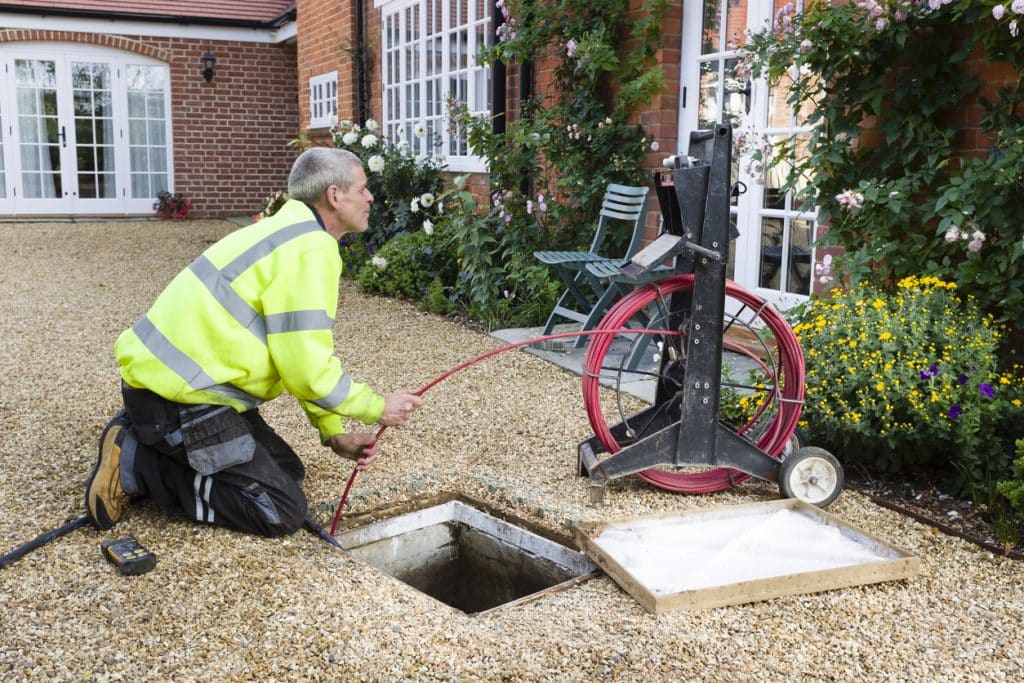
You may not think about your sewer line very often, but it’s still a vital part of your home’s plumbing system. It’s how waste and wastewater are safely removed from your home, and it can cause a serious headache if something goes wrong. This can be anything from a minor clog to a leaky pipe to intruding tree roots.
Naturally, the best way to avoid problems with your sewer line is to have it inspected regularly. You should schedule a sewer line inspection at least once every two years. If you live in an older home or have experienced issues with your sewer line, we recommend scheduling an annual inspection. Most of the work will obviously be done by the plumber, but there are still a few things you can do to make the process a little easier.
Make Sure Access Points Can Be Reached
Your plumber needs to gain access to your sewer line for the inspection. The best way to do that is through a plumbing cleanout. Cleanouts are small, capped pipes located in basements, utility rooms, or backyards. Try to find where your cleanouts are, and make sure that the plumber can access them. Keep the space free of furniture, heavy boxes, or anything else that could make access difficult.
Provide Easy Access to Your Water Shutoff Valve
Your plumber may need to shut off your water to complete a sewer line inspection. Make sure you know where the shutoff valve is and that the plumber can reach it easily.
Check for Visible Damage
Your plumber will likely find signs of serious damage during the inspection, but you can make the process a little easier by noting any leaks and other visible issues beforehand. You don’t need to thoroughly inspect all of your plumbing, but it helps to have an idea of any potential issues before the inspection begins.
Know the Signs of a Failing Sewer Line
A thorough sewer line inspection should uncover any issues so that they can be fixed before they get out of hand, but you should be on the lookout for signs of sewer-related trouble at all times. These include slow drains, foul smells coming from your drains, and unexplained wet spots on your lawn. These are all signs of potential sewer line issues that should be addressed promptly.
Following these tips can help you make the sewer line inspection process easier. With regular inspections, you’ll catch sewer line problems while they are still relatively minor, saving you time and money. If you live in Durham, NC or a surrounding area and need sewer line services, make your first call to Harmon Plumbing.