


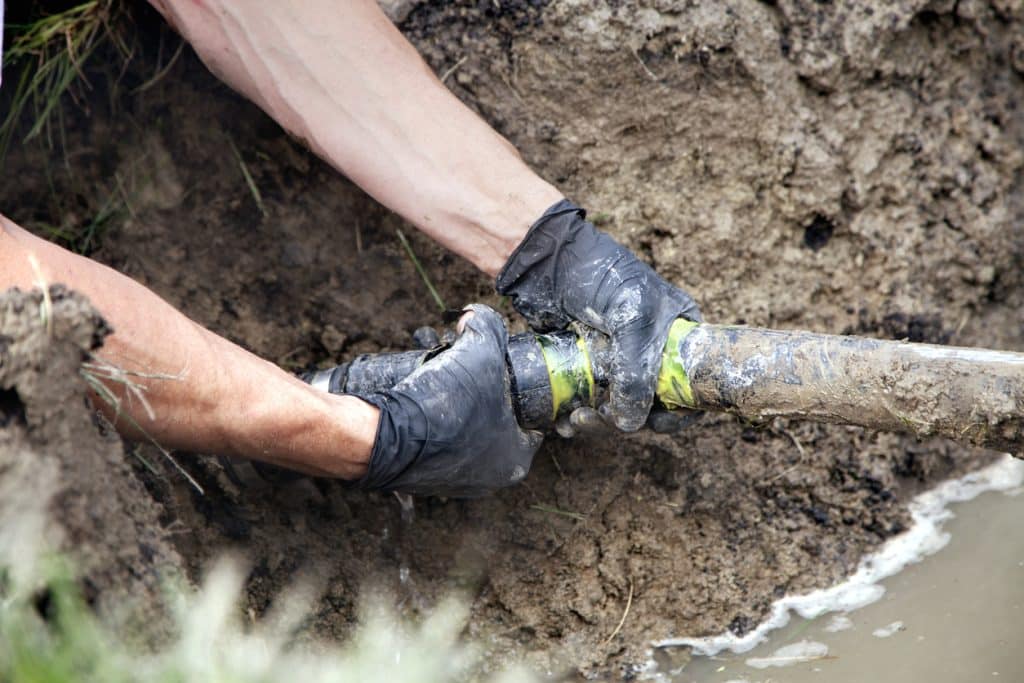
Every drain and plumbing-connected appliance in your home converges onto your sewer line. This pipe travels beneath the building’s slab and underground to the municipal sewer system. When sewer lines crack, develop bellies, or have offset sections, they constantly leak. A leaky sewer line can render your yard temporarily unusable, damage your home’s foundation, and wreak havoc indoors. Unfortunately, despite the serious consequences of sewer line leaks, their symptoms are often subtle. Learn how to recognize the red flags that indicate sewer line issues.
Slow-Moving Drains
Among the most common causes of leaky sewer lines are in-pipe obstructions. These include invasive and fast-growing tree and weed roots, built-up sediment, and thick deposits of grease, biofilms, and slow-degrading waste. These buildups increase the pressure in sewer lines until aging materials and loose connections finally give way.
When sewer line obstructions cause leaks, indoor drains start moving slowly. With less room to move through, wastewater can slow to a snail’s pace. If you have a single slow-moving drain, then you likely have a single drain issue. However, if all of your drains start moving slowly at once, then a leaky sewer line could be the culprit.
Recurring Drain Clogs
Slow-moving waste tends to leave more greasy, filmy residue behind than swift-moving waste. Sewer line problems that inhibit wastewater flow can lead to dirty drains and recurring drain clogs. If you’re constantly battling clogged drains and overflowing fixtures, schedule a sewer line inspection.
Foul Drain Odors and Rising Humidity
As wastewater slows down, drains can develop rank, funky odors. Odor-causing bacteria thrive in slow-moving waste. As trapped water in drains slowly evaporates, it adds moisture to the air. Muggy, oppressive air and smelly drains are often signs of sewer line problems.
Sewer Gas Odors Outside
Sewer gas smells like rotten eggs or rotten cabbage. You might catch a whiff of sewer gas indoors when standing near your drains. But if you have a cracked sewer pipe, these smells could be especially pungent outside, just above your sewer line.
Ground That Never Dries
As effluence leaks out of sewer lines, it saturates the surrounding soil. Soft, muddy terrain that never dries is a strong indication of sewer line problems. This is especially true in areas with strong sewer gas odors.
Persistent Pest Problems
Leaky sewer pipes attract pests. Rodents can use cracked sewer pipes to gain entrance to homes. Sewer line leaks provide constant access to moisture and nutrient-dense materials. If you have a stubborn ant, rodent, or cockroach infestation, a leaky sewer line could be why.
A Suddenly Verdant Landscape
Sewer line leaks can make lawns look lush. If your grass and trees are suddenly verdant and robust, they may be benefiting from the moisture and nutrients found in your sewer pipe. Suddenly hearty trees can also indicate tree root encroachment.
Schedule Sewer Service Today
Smelly, slow-moving drains and unexplained changes in your yard are subtle signs of sewer line leaks. The best way to identify sewer line problems is by scheduling a professional inspection. For expert sewer line service in Durham, NC, contact Harmon Plumbing today.